Ground heave is a significant challenge in substructure construction, caused by expansive clay soils that can lead to damaging structural movements. For structural engineers and project managers, protecting the integrity of your build while keeping costs and environmental impact low is essential. Traditional void formers, made from polystyrene. often fall short by incurring high transport costs, excessive storage needs, and a tendency to break and crumble —resulting in waste and unpredictable expenses.
Understanding Ground Heave And Its Impact
Ground heave occurs when soil expands due to moisture changes, putting pressure on foundations and substructures. The risks include:
Structural Damage: Expanding soils can lead to cracks and shifts, compromising the integrity of the building.
Increased Maintenance: Repairing damage can disrupt project timelines and escalate costs.
Reduced Project Lifespan: Persistent heave can shorten the overall durability of a structure.
Challenges With Traditional Polystyrene Void Formers
Conventional void formers have long been used to create a protective gap beneath structures. However, they bring several inefficiencies:
High Transport & Storage Costs: Bulky systems often require multiple loads and significant onsite space.
Vulnerability to Damage: They are easily damaged during handling, leading to increased waste and higher overall costs.
Environmental Concerns: The disposal of polystyrene waste not only increases costs but also harms the environment
Introducing VOID-TEK: The Innovative Void Former
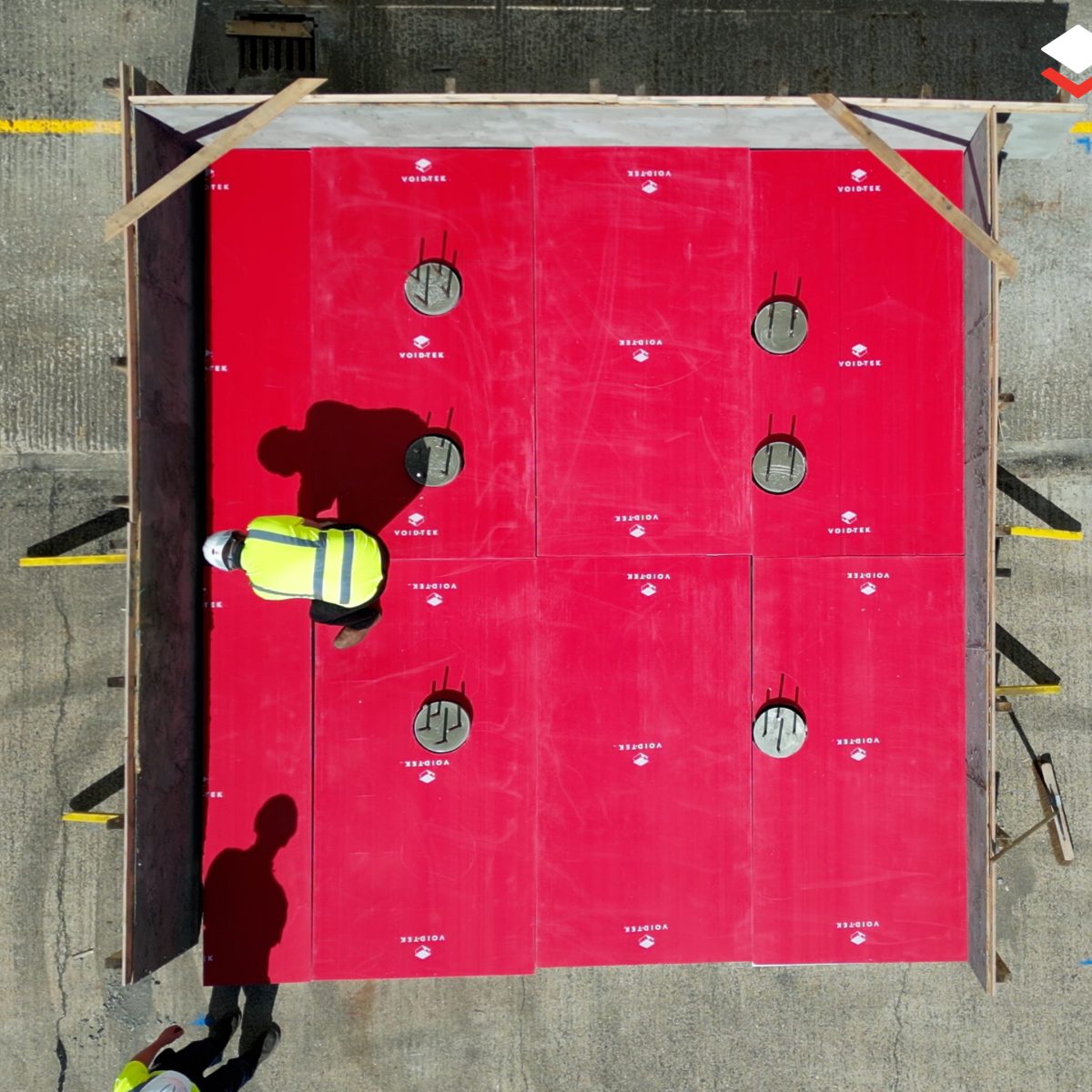
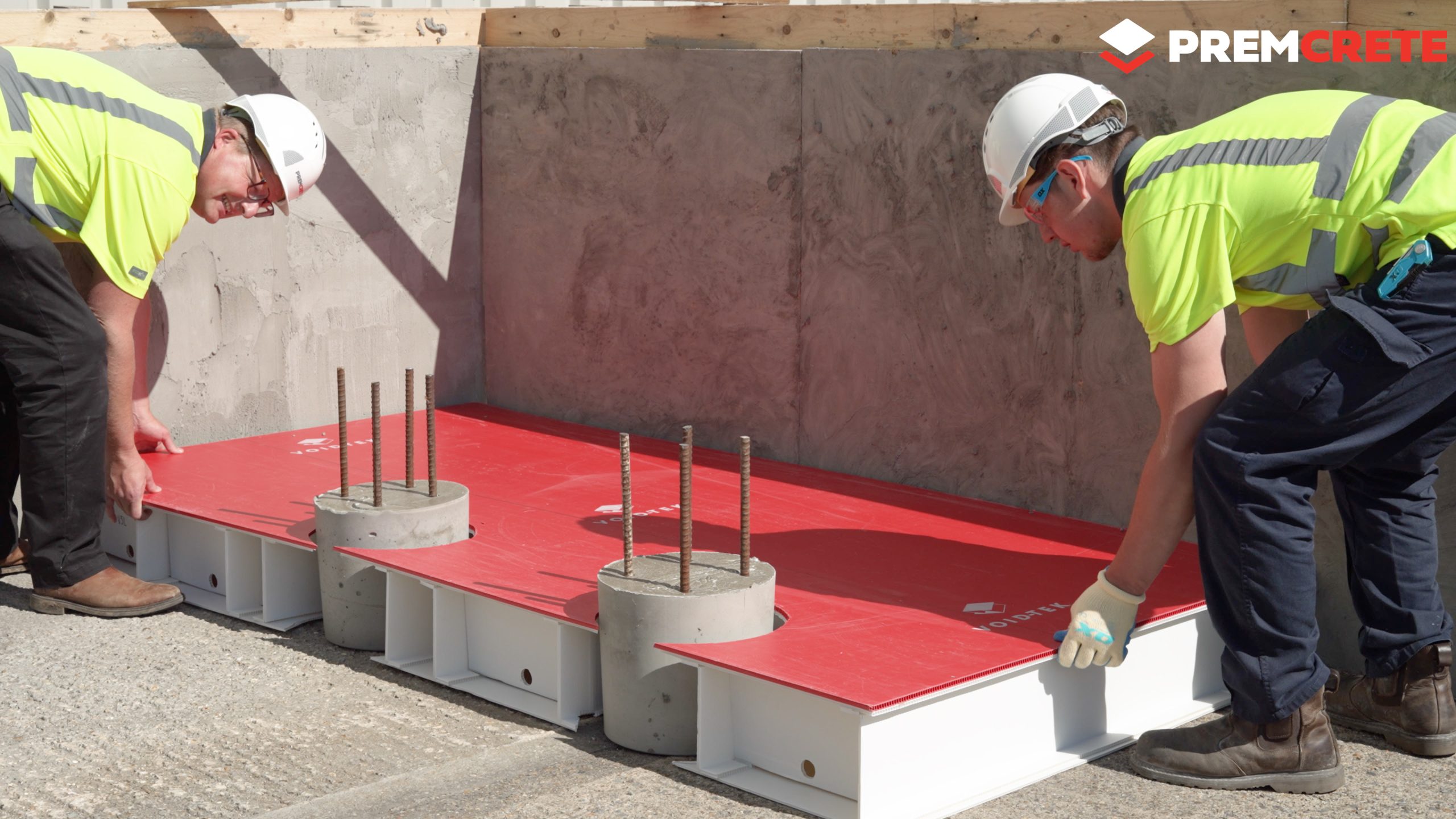
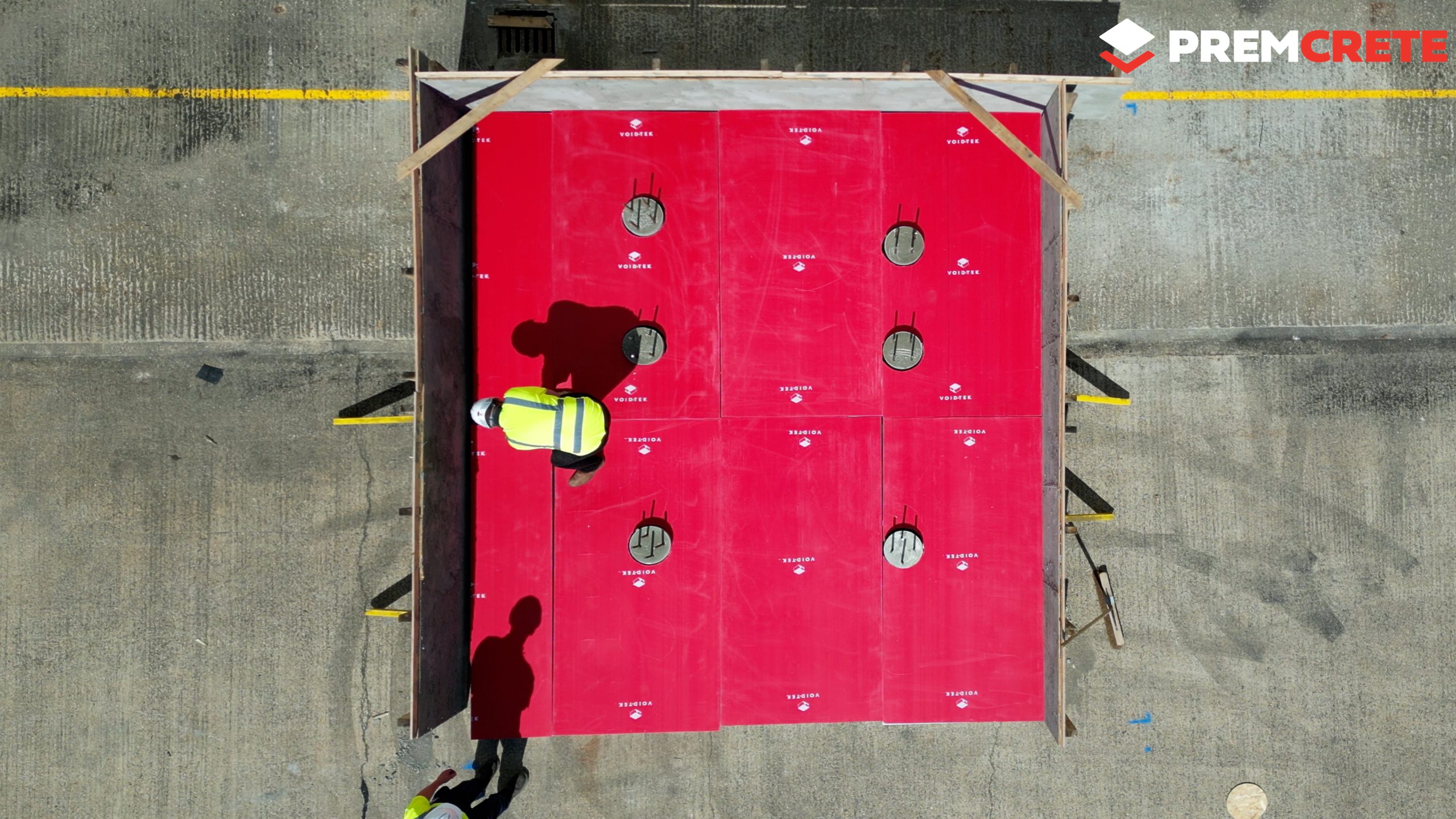
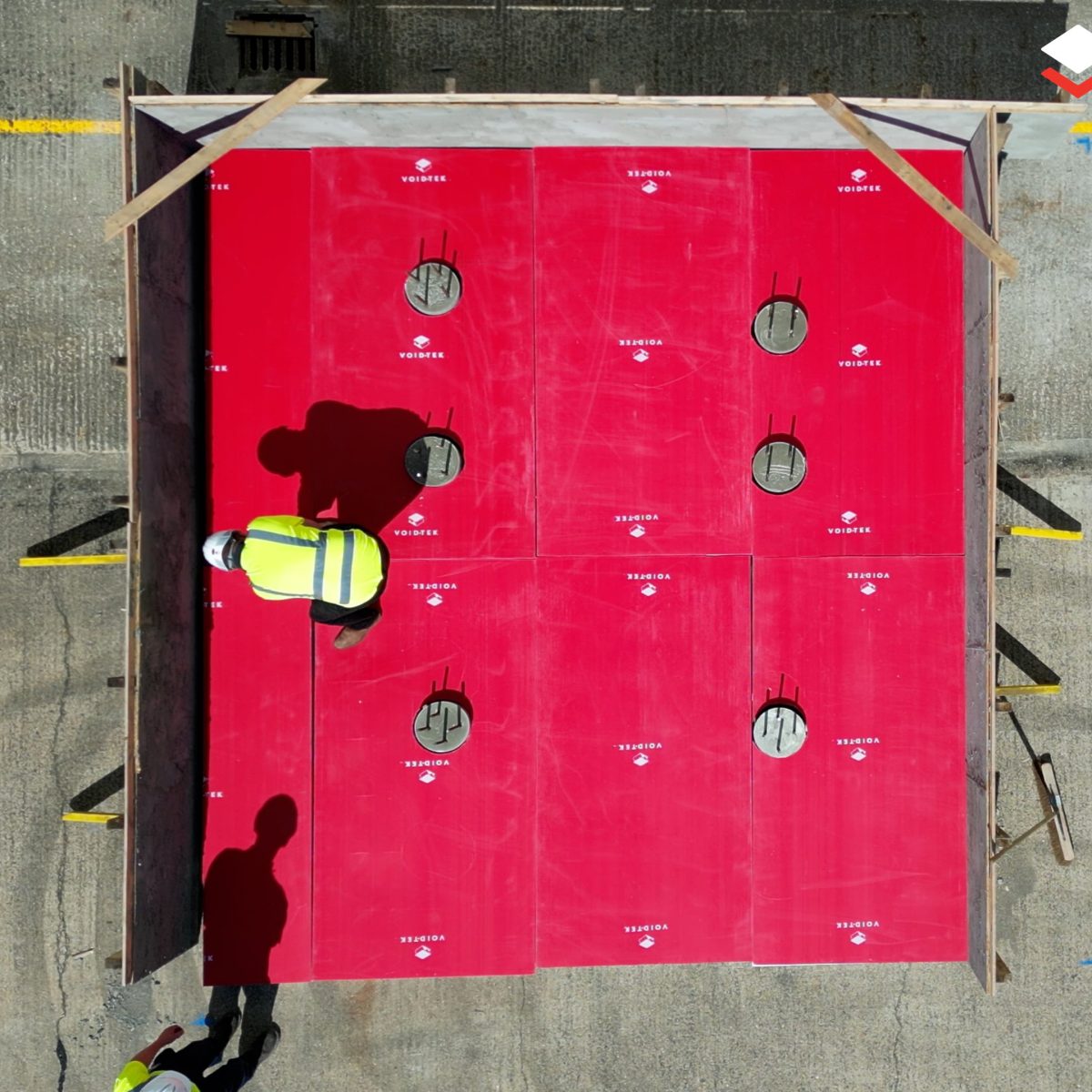
Premcrete’s VOID-TEK system is engineered from high-strength polypropylene fluted board—a game changer in ground heave protection. Its flat-packed, collapsible design and polystyrene-free construction offer multiple benefits:
Robust Durability: The material resists damage underfoot, significantly reducing waste.
Ease of Installation: VOID-TEK is lightweight and can be easily cut with a compact Stanley knife, speeding up onsite modifications.
Customisable Solutions: It can be ordered to specific dimensions, ideal for use beneath reinforced concrete ground beams and pile caps.
Cost Efficiency: Reduced transport, storage, and labour costs lead to a more predictable project budget.
Sustainable Performance: Without harmful polystyrene, VOID-TEK boasts a lower environmental impact and reduced emissions.
Real-Life Client Feedback
Our clients have experienced the benefits of VOID-TEK first-hand. Here’s what they had to say:
🔺 300𝘮² of VOID-TEK fits on just two pallets – “𝘙𝘢𝘵𝘩𝘦𝘳 𝘵𝘩𝘢𝘯 𝘢 𝘸𝘩𝘰𝘭𝘦 𝘭𝘰𝘳𝘳𝘺 𝘭𝘰𝘢𝘥 𝘵𝘩𝘢𝘵 𝘵𝘢𝘬𝘦𝘴 𝘩𝘰𝘶𝘳𝘴 𝘵𝘰 𝘰𝘧𝘧𝘭𝘰𝘢𝘥.”
These testimonials underscore how VOID-TEK enhances project efficiency and offers real cost savings in transport, installation, and waste management.
The VOID-TEK Advantage For Your Projects
VOID-TEK meets NHBC void requirements, ensuring it adheres to the highest quality and safety standards in the construction industry. Its superior resilience and ease of handling directly translate into:
Faster Installations: Minimising onsite delays and accelerating project timelines.
Lower Operational Costs: Reduced labour, transport, and waste disposal expenses.
Sustainable Construction Practices: A solution that supports environmental goals without compromising performance.
Make your next project more efficient, cost-effective, and environmentally friendly. Contact Premcrete today to learn more about switching to VOID-TEK—our revolutionary ground heave protection solution that’s setting new industry benchmarks: sales@premcrete.com
Understanding Ground Heave Ground heave is the upward movement of the ground surface caused by the expansion of clay soils when they absorb water. This phenomenon can cause...
Ever found yourself perplexed by industry jargon like ‘Slump Testing’, ‘Compressive Strength’, or ‘Workability’? Or perhaps you’ve wondered about the secret behind designing a...