Avoiding costly failures starts with choosing the right system… and understanding its true cost.
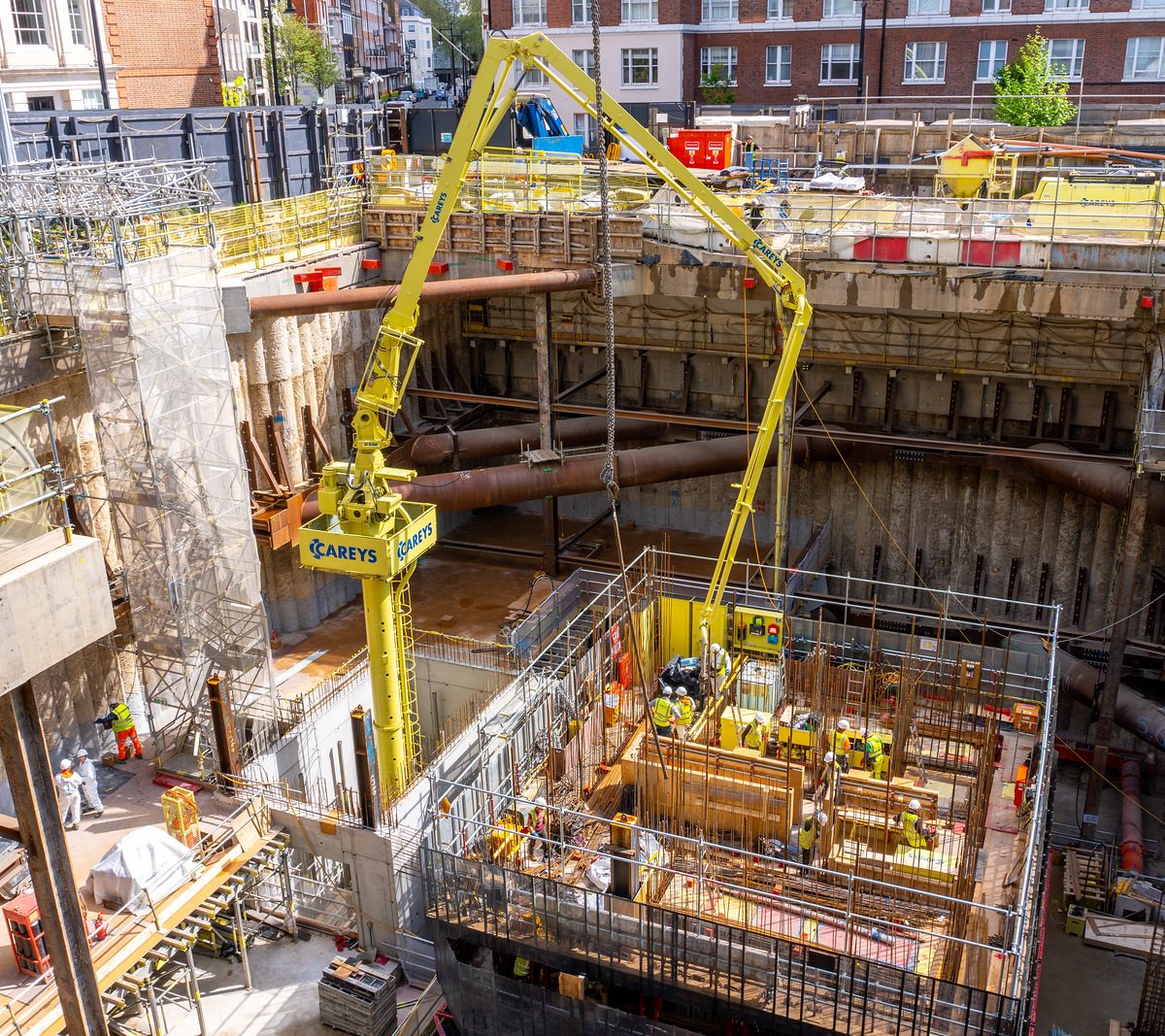
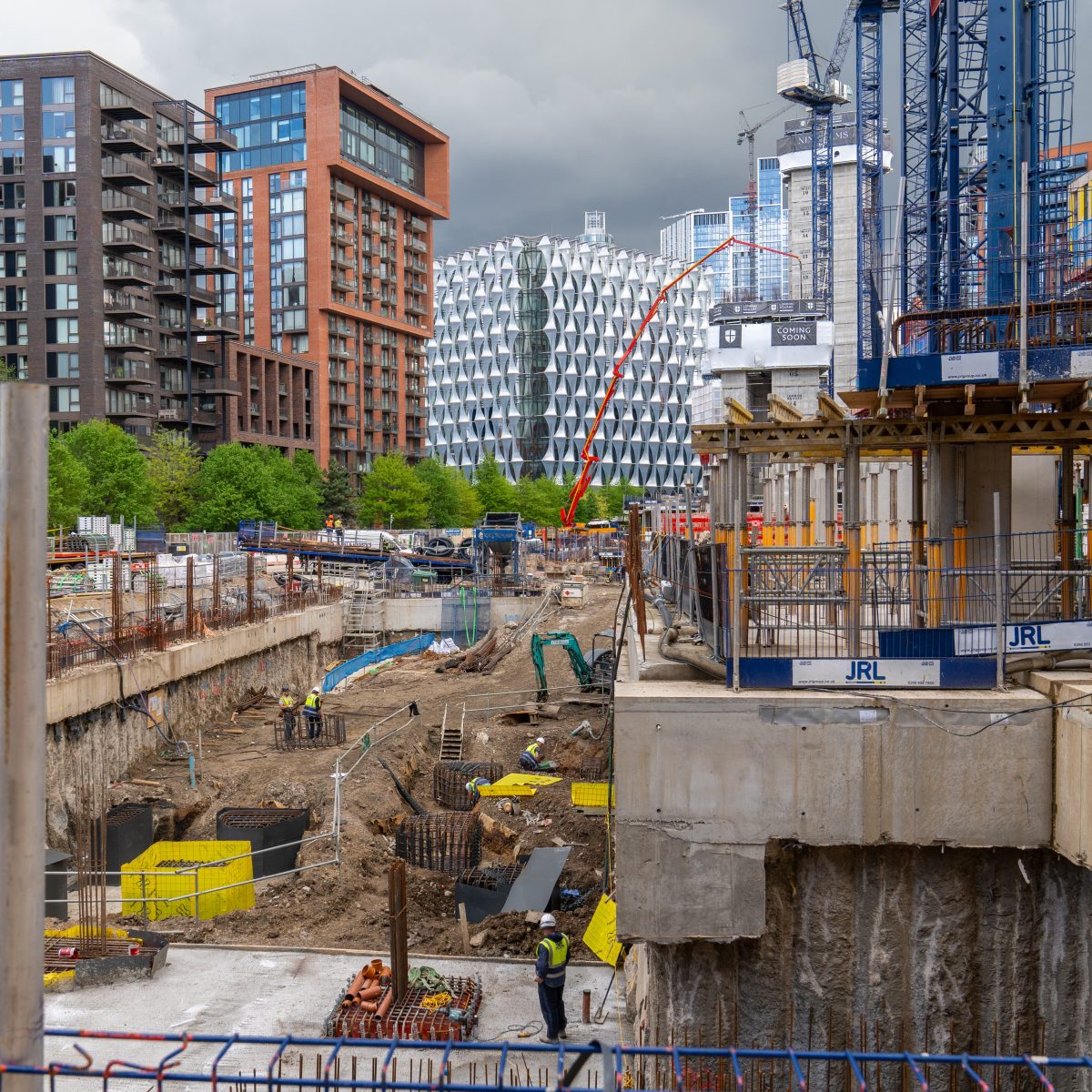
Basements are among the most vulnerable parts of any structure when it comes to water ingress. Whether you’re planning a new-build development or retrofitting an existing property, getting the waterproofing strategy right is critical to avoid long-term problems.
But how much does waterproofing actually cost?
It’s a common question, and one with many variables. From the type of waterproofing system selected to the site conditions, depth of excavation, use of the space, and even who installs the system, the costs can vary widely. In this guide, we’ll break down typical UK waterproofing costs, explain the systems involved, and show how early engagement with a waterproofing specialist like Premcrete can reduce risk, improve efficiency, and help you stay compliant and on budget.
Please note: All costs shown are based on industry guide prices. In some cases—particularly for Type A and Type B waterproofing—a self-installation route may be feasible and more cost-effective.
What Affects the Cost of Basement Waterproofing?
There’s no one-size-fits-all answer, but several key factors will determine your final cost:
Grade of environment (BS 8102:2022) Depending on the intended use of the space (e.g., car park vs. living space) and the water table risk, you may require multiple forms of waterproofing. Grades 1a, 1b, 2, and 3 each have different requirements.
System type BS 8102 outlines three system types: Type A (barrier), Type B (integral), and Type C (drained). Each comes with different material and installation requirements.
Site conditions Projects with high water tables, deep excavations, or contamination risks (e.g., Hydrocarbons or VOCs) will demand more robust systems.
New build vs. refurbishment Retrofitting or cut-and-carve schemes tend to be more complex, often requiring bespoke detailing and additional preparation.
Detailing complexity Elements like pile caps, lift pits, kicker joints, and capping beams often increase both labour and material costs.
Labour and sequencing requirements Some waterproofing systems are more intrusive or demand specific installation sequences—e.g., wrapping pile caps or facing up piles—adding cost and time.
Risk appetite Projects that prioritise long-term protection and accountability may opt for systems with stronger warranties, full design liability, or multiple layers of protection.
Installation method: Self-install vs. Specialist Install More on this below.
Understanding these variables early on allows you to plan more effectively, manage budgets, and avoid late-stage surprises.
Self-Install vs. Specialist Installation – What’s the Difference?
One often-overlooked cost variable is who installs the system.
✅ Self-Installation (where appropriate):
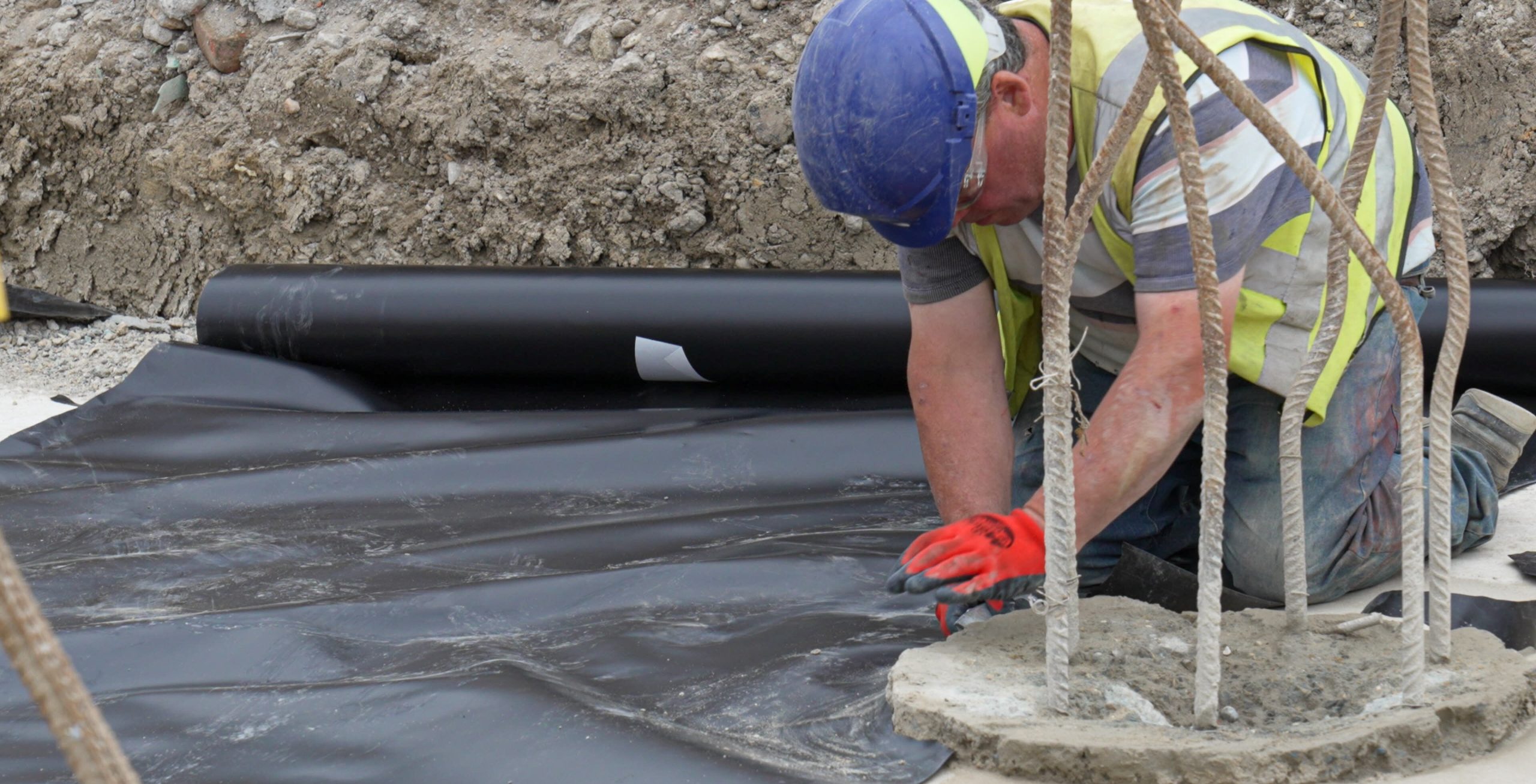
Some products, particularly simpler Type A and Type B components can be installed by the main contractor, groundworker, or even the client’s team—provided they’re experienced and follow manufacturer guidance.
Pros:
Lower labour costs
Greater programme control
Reduced subcontractor coordination
Often suited for simpler membranes and surface-applied solutions
Cons:
Risk of incorrect application
May affect warranty terms
Not suitable for complex detailing (e.g., sprayed application coatings, masonry repair on existing structures etc)
Not so suitable for installing Type C or systems requiring pump setup and maintenance
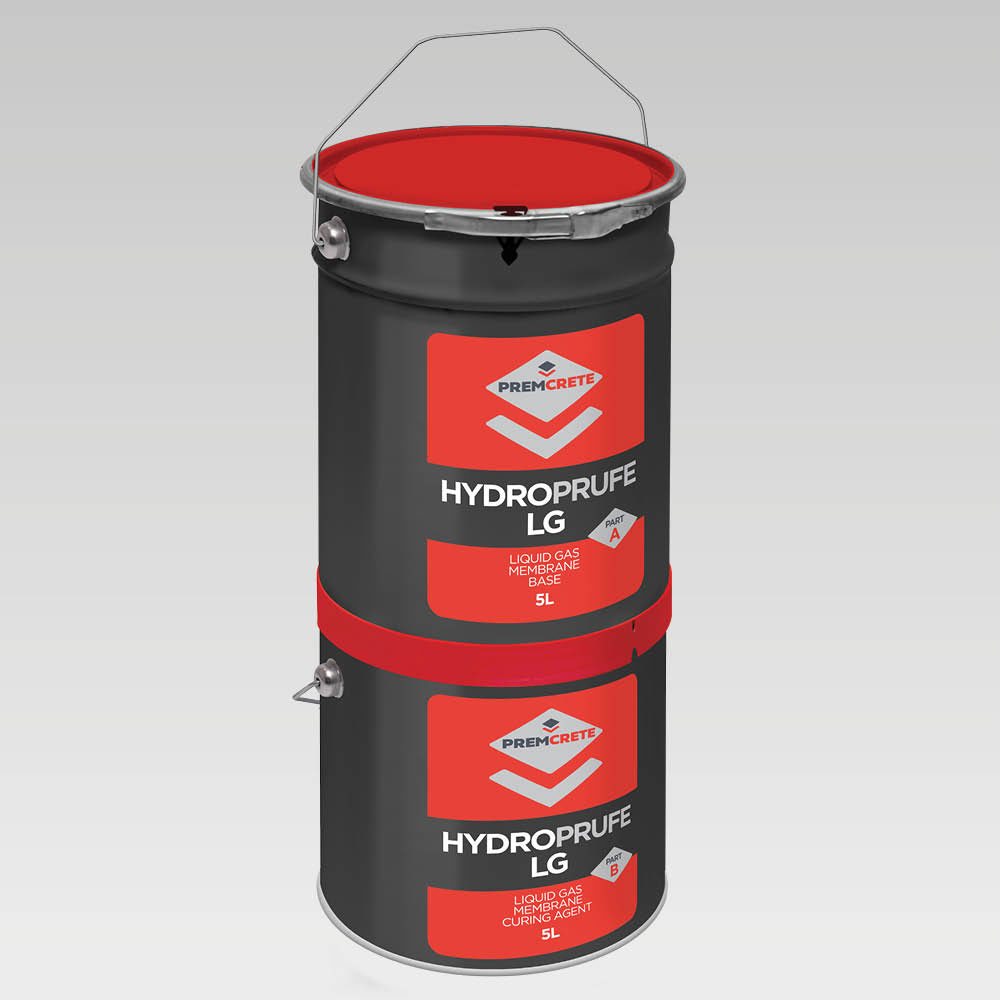
At Premcrete, several products have been developed with this flexibility in mind. For example, Hydroprufe LG, a liquid-applied epoxy coating, is ideal for complex detailing without needing to wrap pile caps—making it especially helpful on self-install projects. We also supply bespoke packaging sizes, training, and application guides to support this approach.
✅ Specialist Installation:
This is typically required for Type C cavity drainage, cementitious coatings, or complex multi-system setups.
Pros:
Full system accountability
Access to warranties (including our 25-year system warranty)
Insurance Backed Guarantee availability
Compliance with warranty provider expectations (e.g., NHBC, Premier Guarantee)
Ideal for complex basements or high-risk environments
Cons:
Higher labour cost
Requires careful scheduling with other trades
May involve specialist access or preparatory works
We can recommend experienced installation partners nationwide for full peace of mind.
Understanding Waterproofing Systems and Their Cost Implications
Type A – Barrier Protection
These systems prevent water ingress by using membranes or coatings, applied either internally or externally. Suitable for new builds and retrofits alike.
Common Options:
1. Pre-applied membranes Used beneath slabs, behind basement walls, or in lift pits.
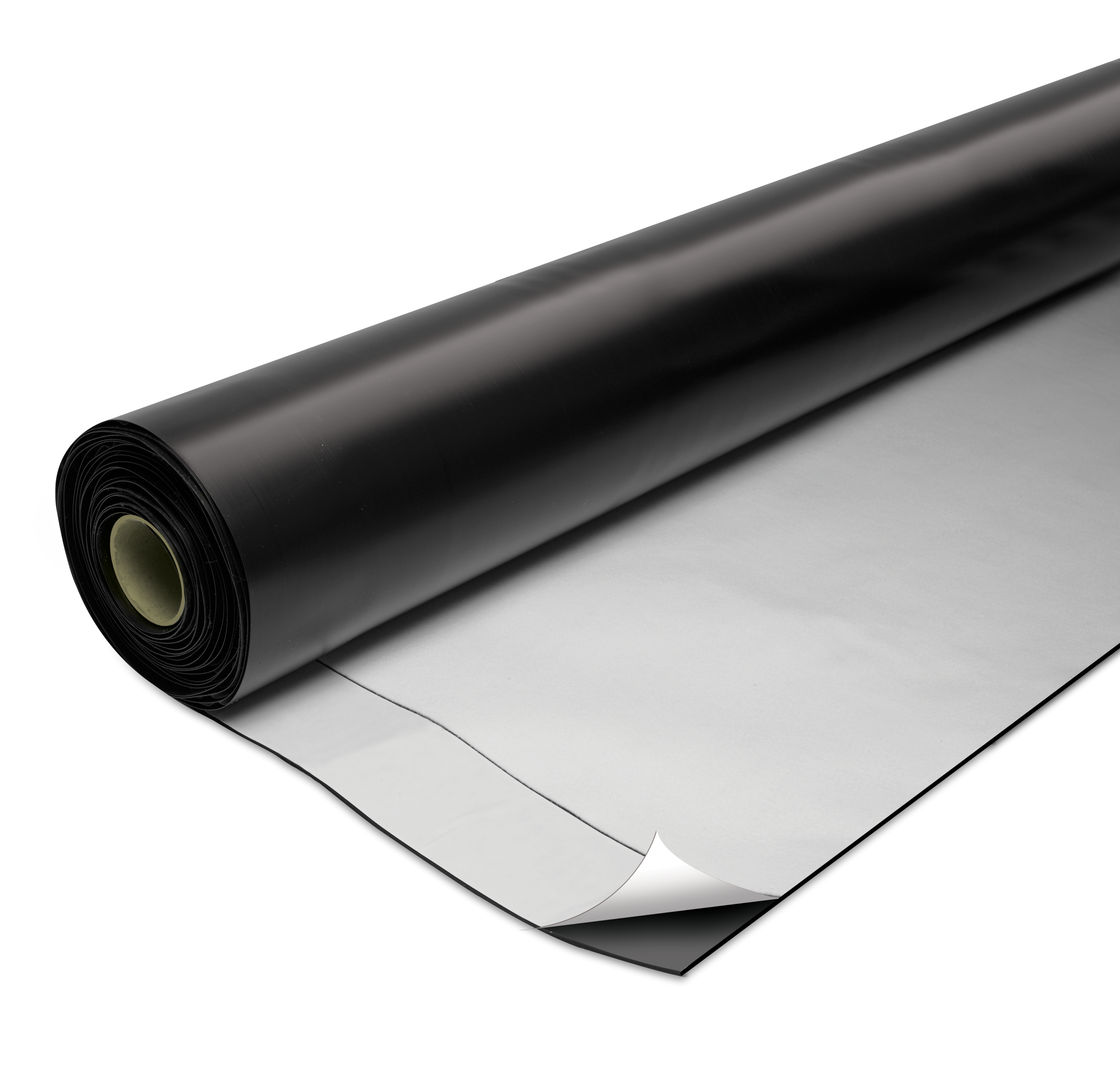
Guide cost (supply & install): £30–£40/m² (Varies depending on gas/hydrocarbon resistance—e.g., Combi-Seal Plus) ➝ Combi-Seal Plus is Premcrete’s self-healing combined gas and voc-resistant waterproofing membrane for below-ground structures.
2. Post-applied self-adhesive membranes Used externally on RC walls or slab edges.
Concrete cracking from poor compaction or incorrect spec
Reputational damage for contractors and developers
Why Combine Systems? Type A + B + C
Using more than one waterproofing type is not just best practice—it’s often essential.
In fact, a single system alone is not typically suitable for Grade 2 or higher under BS 8102:2022.
Premcrete regularly recommends hybrid solutions combining two or even all three types of protection to reduce liability and ensure long-term performance.
Benefits of a combined system:
Reduced maintenance
Greater protection from system failure
Fewer exclusions in warranty documentation
Premcrete’s Advantage
25-year single-source warranty
£10 million design liability cover
Products developed with speed, compliance, and installer flexibility in mind
Premtrac Online QC Portal – Ensuring compliance with Golden Thread requirements for the Building Safety Regulator
Design support from CSSW-qualified professionals
Budgeting at the Right RIBA Stage
We recommend engaging a waterproofing specialist by RIBA Stage 2 or 3, allowing plenty of time for feasibility studies, outline design, and system selection before Stage 4 detailed design.
Support with warranty compliance and Gateway 2 submission requirements for high-risk buildings
So, What Does Basement Waterproofing Cost in the UK in 2025?
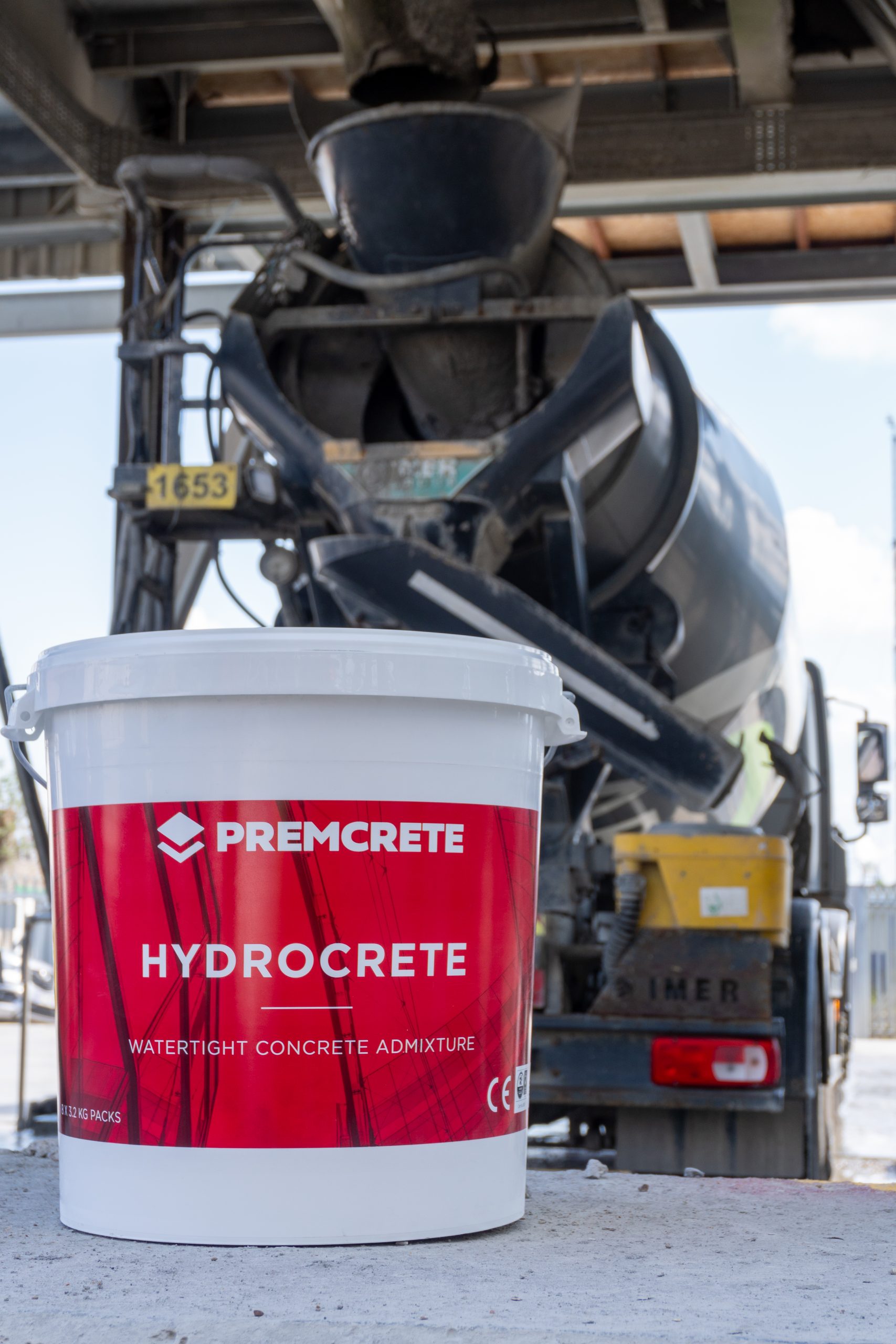
Single system (Type A, B, or C):£25–£45/m² (Note: not suitable on its own for Grade 1B or above)
Two systems for Grade 2 or 3:£50–£90/m²
While these are useful guide figures, every project is unique—and good design will always pay for itself in avoided rework, reputational protection, and warranty compliance.
As a guide these costs (with the exception of Type B Hydrocrete system) are typically 50% – 60% labour contribution from a Specialist Contractor.
Need Help Budgeting Your Project?
Want to get the waterproofing strategy right first time? Contact Premcrete for early-stage design advice, budgeting support, or a fully quantified quotation tailored to your project.
When it comes to structural waterproofing, specifying the right materials is just the beginning. Too often, we see excellent products let down by poor on-site installation, rushed...
In today's digital age, data centres are the beating heart of modern infrastructure. With facilities operating 24/7 and housing sensitive equipment and critical data, ensuring...
The Hidden Risk Below Ground Substructure protection carries some of the highest risks on any construction project. Water ingress, ground heave, and gas permeation through the...
Waterproofing and gas protection systems are critical for the success and safety of construction projects, yet they are often a source of risk for architects, engineers and...
Structural waterproofing is essential for protecting buildings from water ingress, especially in below-ground areas like basements, tunnels, and foundations. Without effective...
In the intricate world of construction and deep basement waterproofing, achieving robust, leak-free structures is paramount. For architects, engineers and specifiers, the...