The Most Overlooked Risks in Waterproofing Design
When we think about waterproofing risk, it’s easy to focus on the big decisions.
Read article
Whether you’re laying membranes, applying resin coatings, or using cementitious grouts, the hotter months being challenges that can compromise the performance of waterproofing and gas protection systems if not managed correctly.
This guide is designed to help site teams, contractors, and installers adapt to higher temperatures and maintain quality, compliance and performance across all Premcrete system installations.
Extreme temperatures can accelerate cure times, soften adhesives, or increase the movement of materials. If these conditions aren’t factored into your installation process, it can lead to:
Let’s break down how to prevent this for some of our most commonly specified systems.
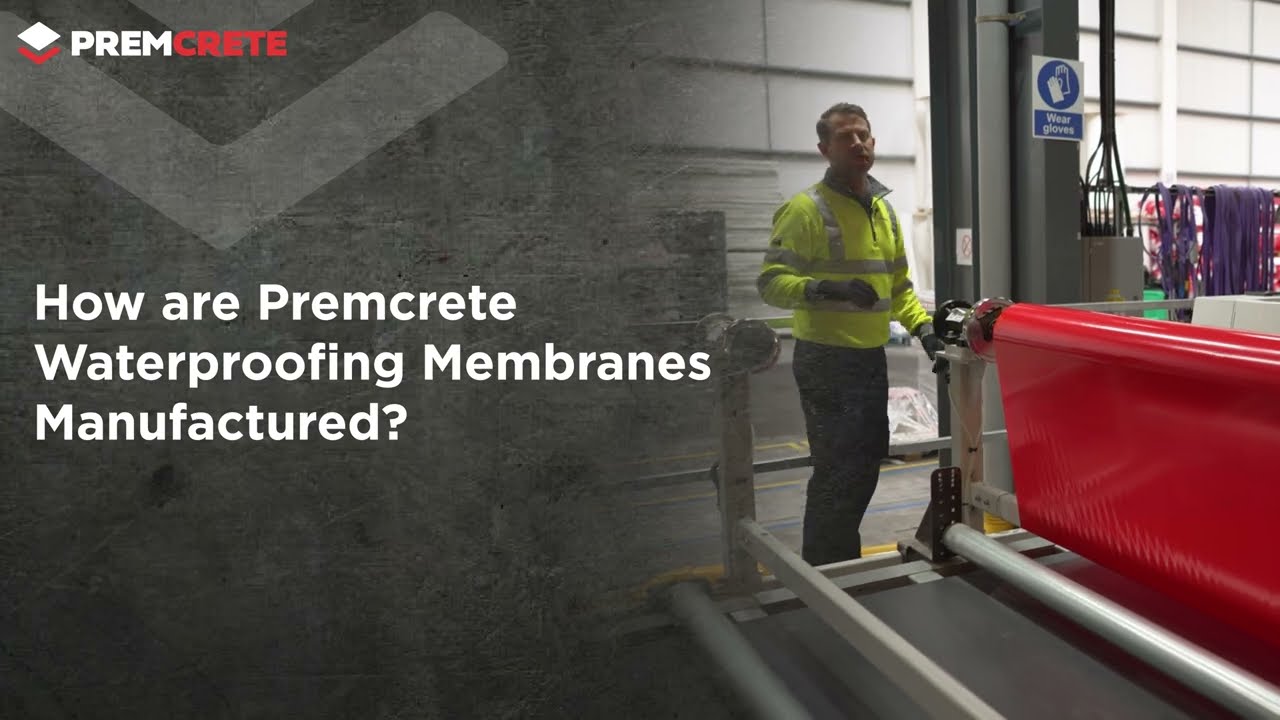
These membranes are manufactured with advanced MS Polymer and APAN™ fleece-bonding technology. Under rising temperatures, the membranes may move slightly due to retained moisture in the polymer matrix. Here’s how to maintain system integrity:
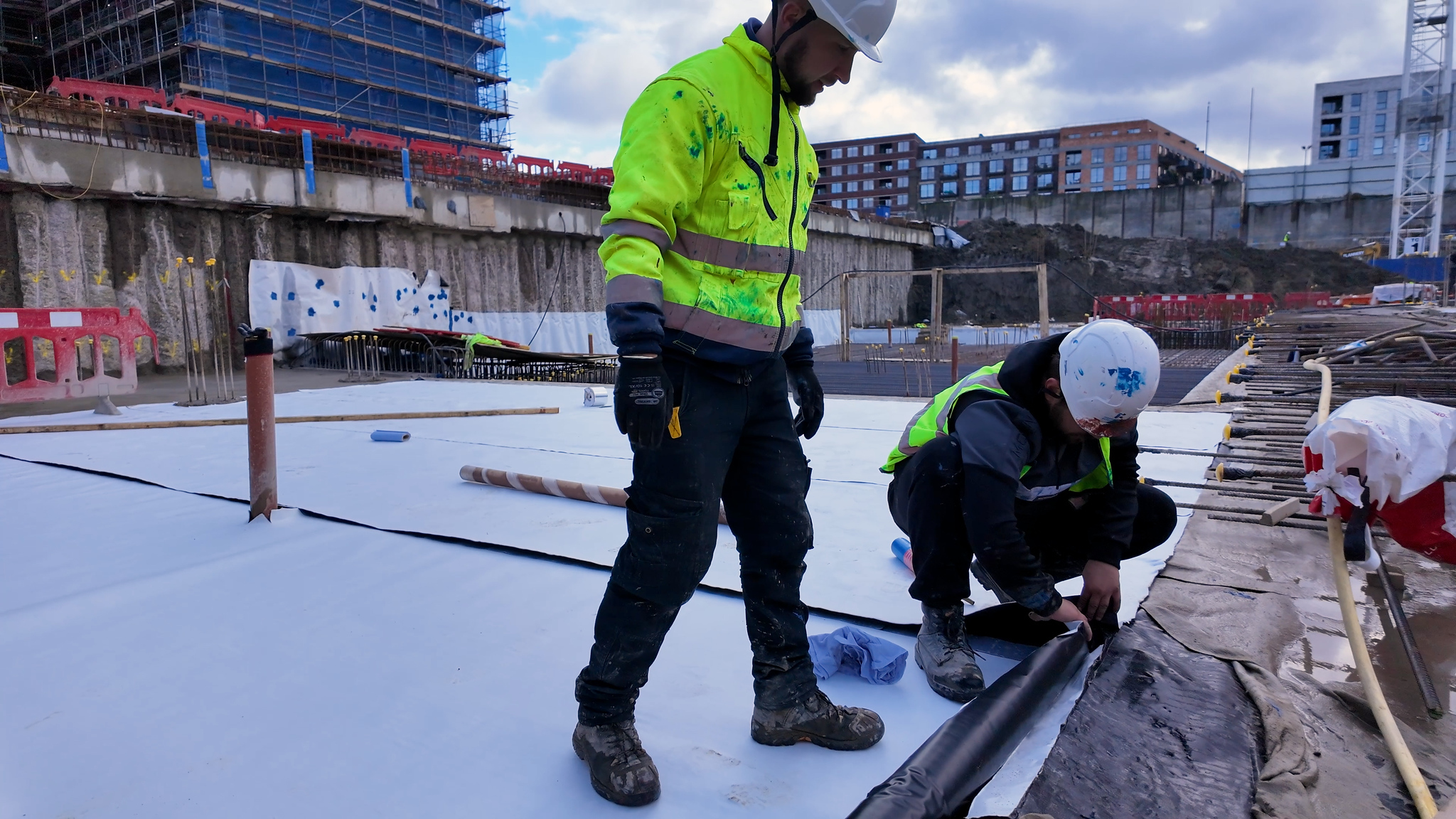
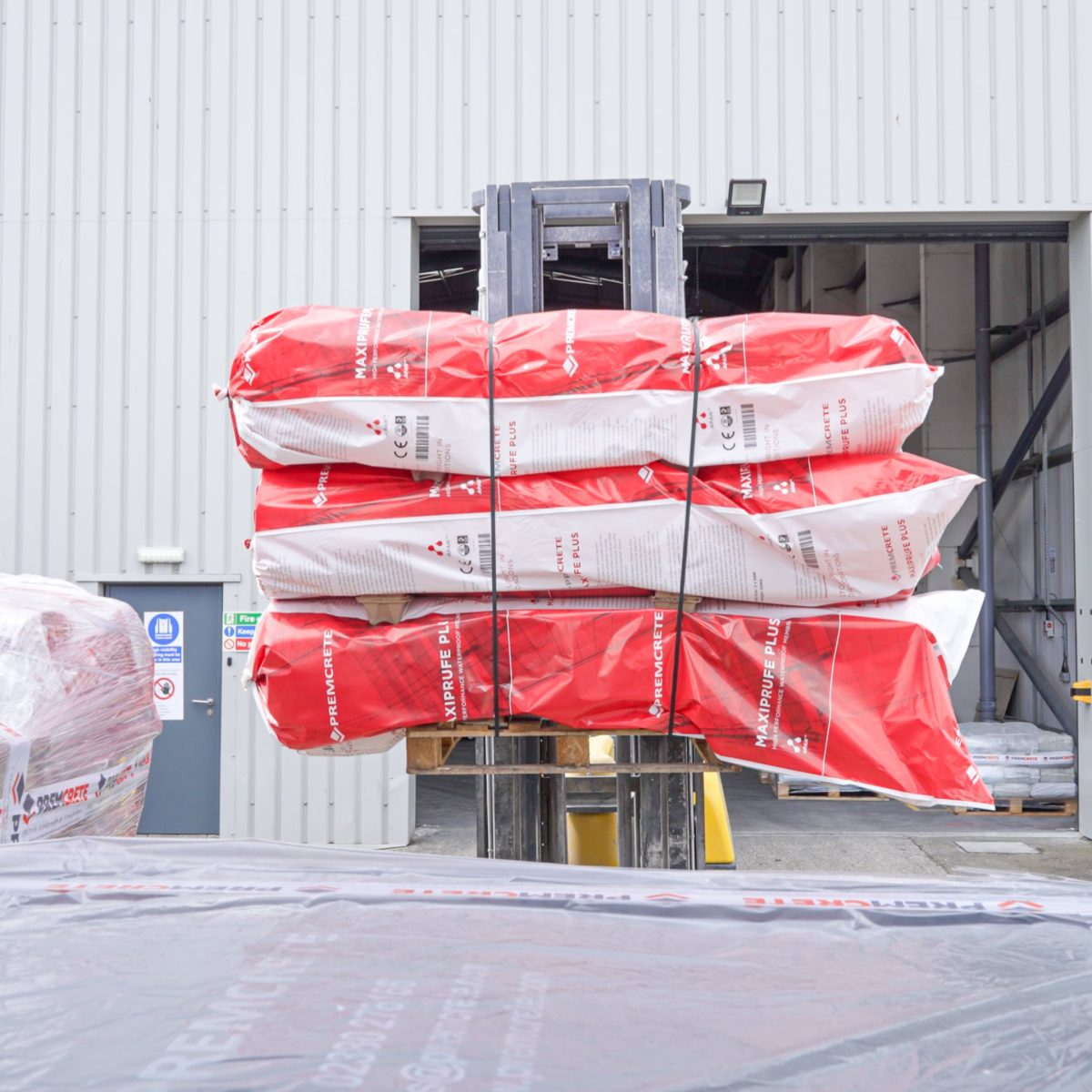
Premcrete’s Maxiprufe Plus self-healing membrane can tolerate mechanical fixings throughout, but in high temperatures:
MMA systems cure rapidly – and that’s a challenge in summer heat:
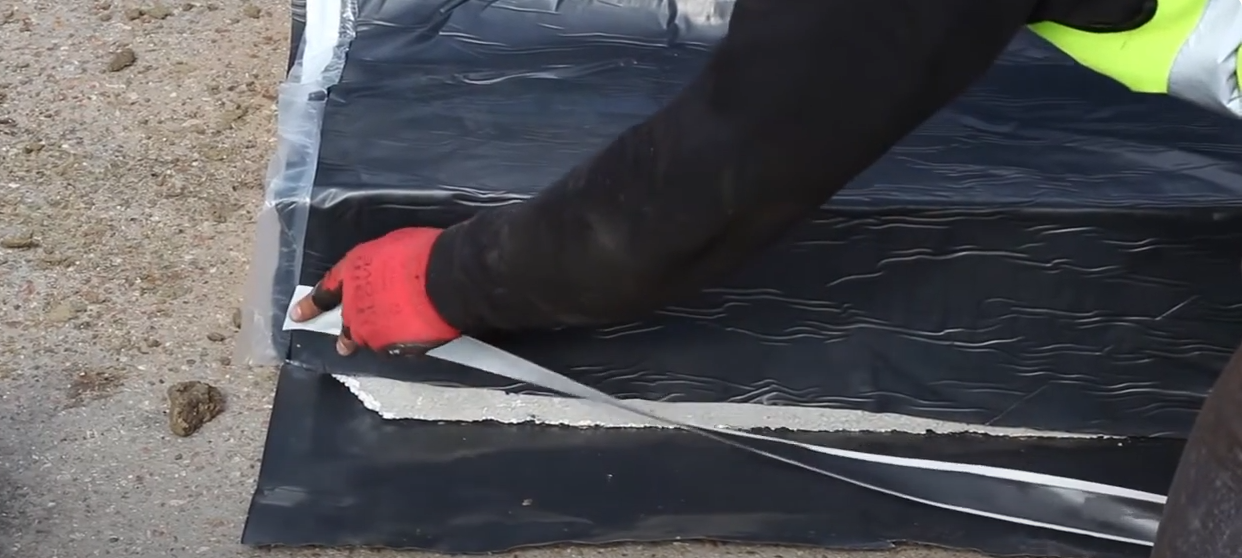
These self-adhesive bitumen-based membranes are sensitive to heat:
Hot weather causes rapid moisture loss, leading to shrinkage and cracking:
✅ Always follow product-specific fixing guidance
✅ Avoid midday installation where possible
✅ Use proper curing agents and reinforcement accessories
✅ Contact technical support if in doubt
Premcrete’s technical support team is here to help you get it right the first time. Email us at technical@premcrete.com for tailored advice on product use in summer conditions, or to request a toolbox talk or on-site installation guidance.
Don’t let the sun compromise your substructure. Waterproofing is futureproofing — but only when installed right.
When we think about waterproofing risk, it’s easy to focus on the big decisions.
Read articleOn a drawing, a waterproofing detail can look perfect.
Read articleFor decades, waterproofing has been one of construction’s hidden systems.
Read articleDecarbonisation in the construction industry has never been more pressing.
Read articleCertainty is a critically valuable component within a waterproofing toolkit.
Read articleA waterproofing membrane doesn’t usually fail in the middle… it fails where it stops.
Read article